Want to turn this into production assets?
Open Vibart to generate images or videos, then finish brand text, crops, and export-ready layouts on the canvas.
What this update covers
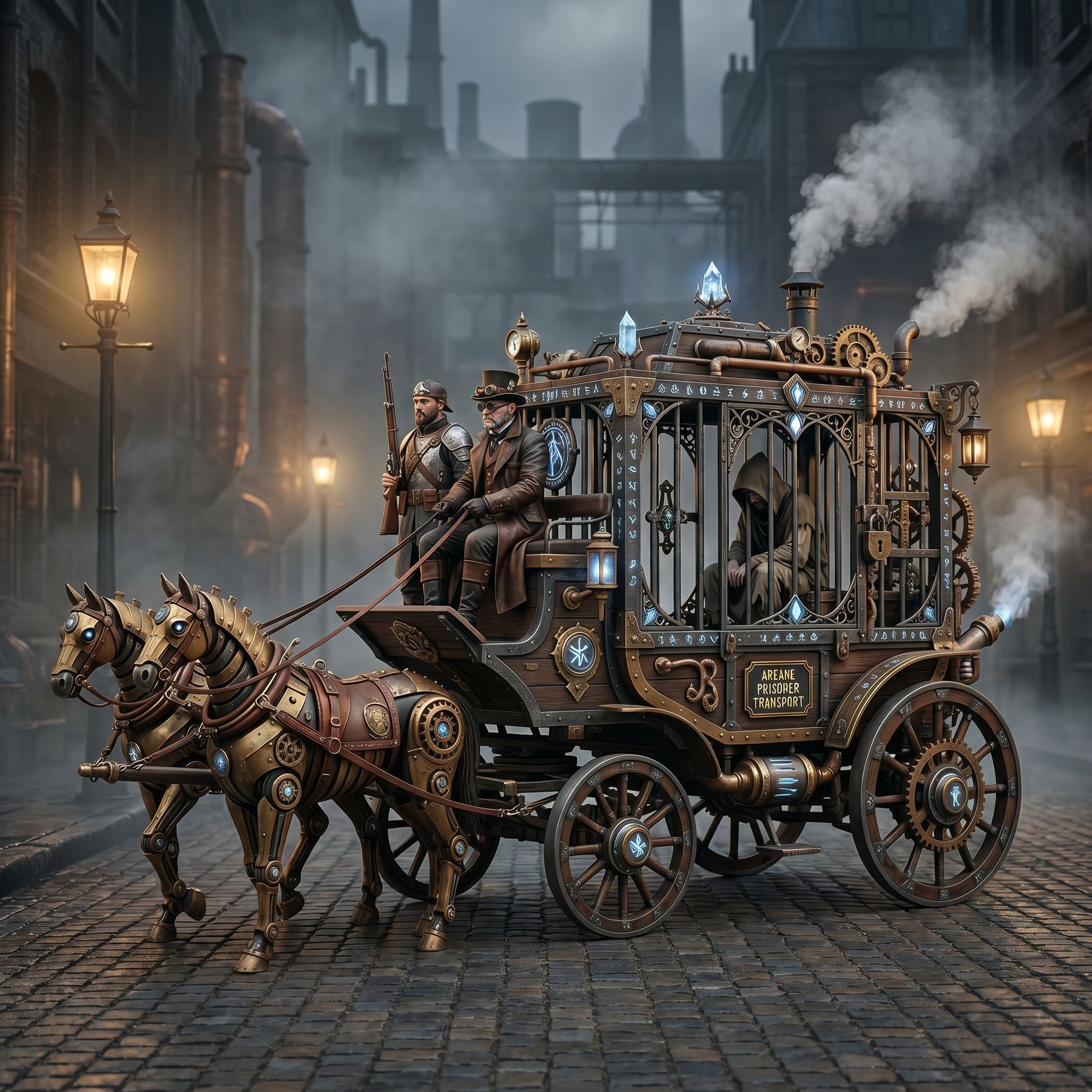
This article starts from a Vibart community workflow: Steampunk Horse Car. The source shows how a creator can move from a prompt or reference direction into a image that still needs production decisions before publishing. The useful SEO angle is not hype. It is the practical question creators search for: how to generate faster while keeping brand, message, and layout control.
From generated media to production asset
AI image and video tools are strongest when they explore visual direction, composition, lighting, and motion. They are weaker when the final file needs exact typography, pricing, claims, or campaign variants. A canvas workflow solves that gap by letting teams keep the generated layer, then rebuild text, logo, calls to action, and crop variants as editable elements.
The operating pattern
Vibart SEO automation now alternates between industry-style roundup content and workflow spotlights from public community work. Roundups keep the site aligned with search demand around AI creative tools. Workflow spotlights connect that demand to real production use cases: references, prompt iteration, selected media, and final canvas finishing.
Takeaway for creators
Treat every generated image or video as the start of a reusable asset system. Save the prompt, source references, winning media, and final layer structure. That is how a team moves from isolated experiments to a reliable content calendar without giving up visual control.
Sources and further reading
The workflow and platform rules in this article are grounded in these primary references. Confirm current rules for your market and channel before publishing.
- Vibart community work: Steampunk Horse CarVibart community · 2026-04-27
Next step: make one asset with the same workflow
Do not stop at the comparison page. Upload a reference, generate a direction, then keep copy and brand elements editable on the canvas.